

Original price was: $27.00.$18.90Current price is: $18.90.
- Control the delivery date and try to deliver it in the fastest time
- Shop quality, shop with us.
- Top Quality Products
- Nature-friendly materials, 100%.

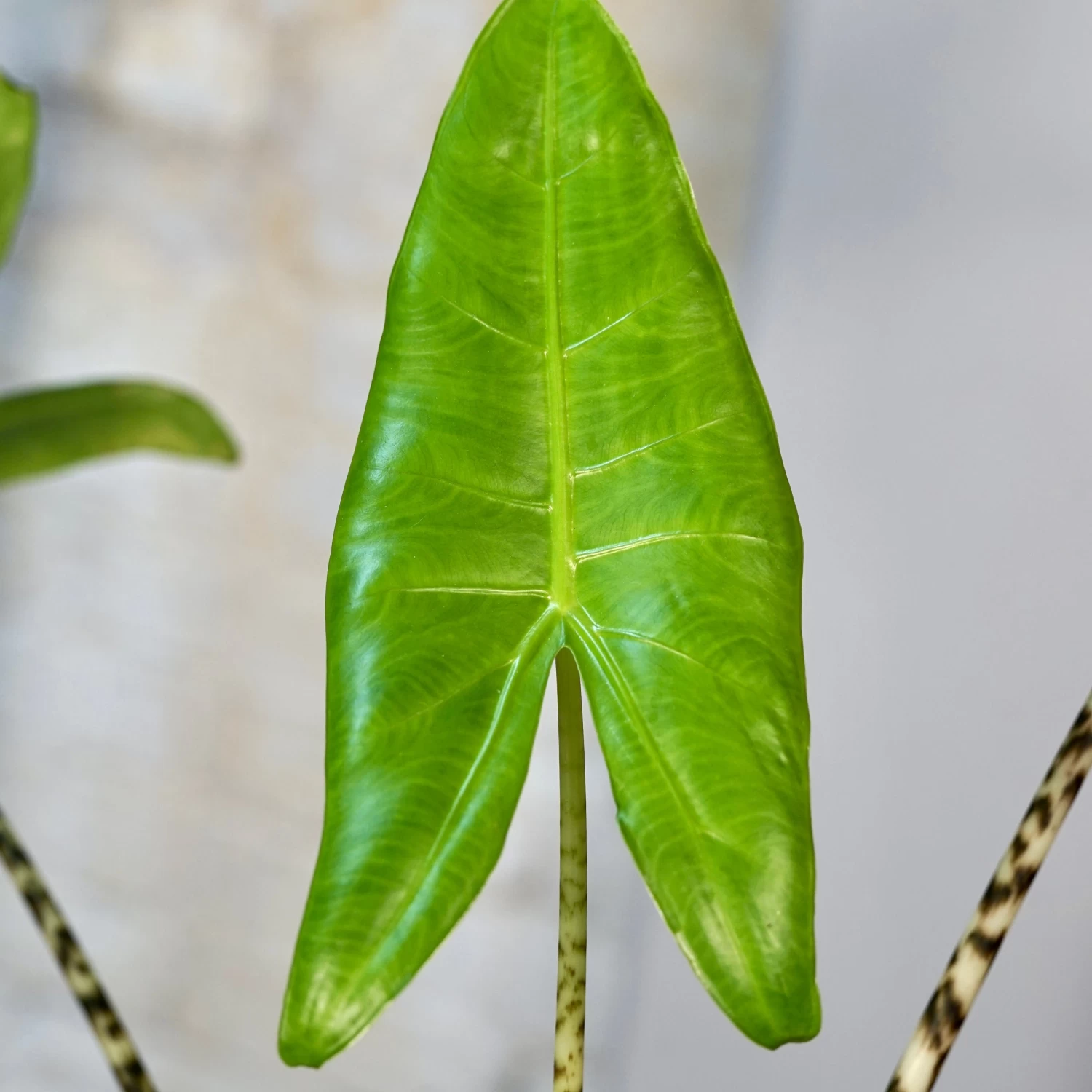
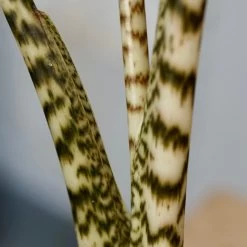
Alocasia zebrina, also known as the Elephant Ear ‘Zebra Plant,’ is a striking tropical aroid plant known for its distinctive zebra-like patterned stems and large, arrow-shaped leaves. This plant is native to Southeast Asia and is popular among houseplant enthusiasts for its unique appearance and bold foliage.
Description:
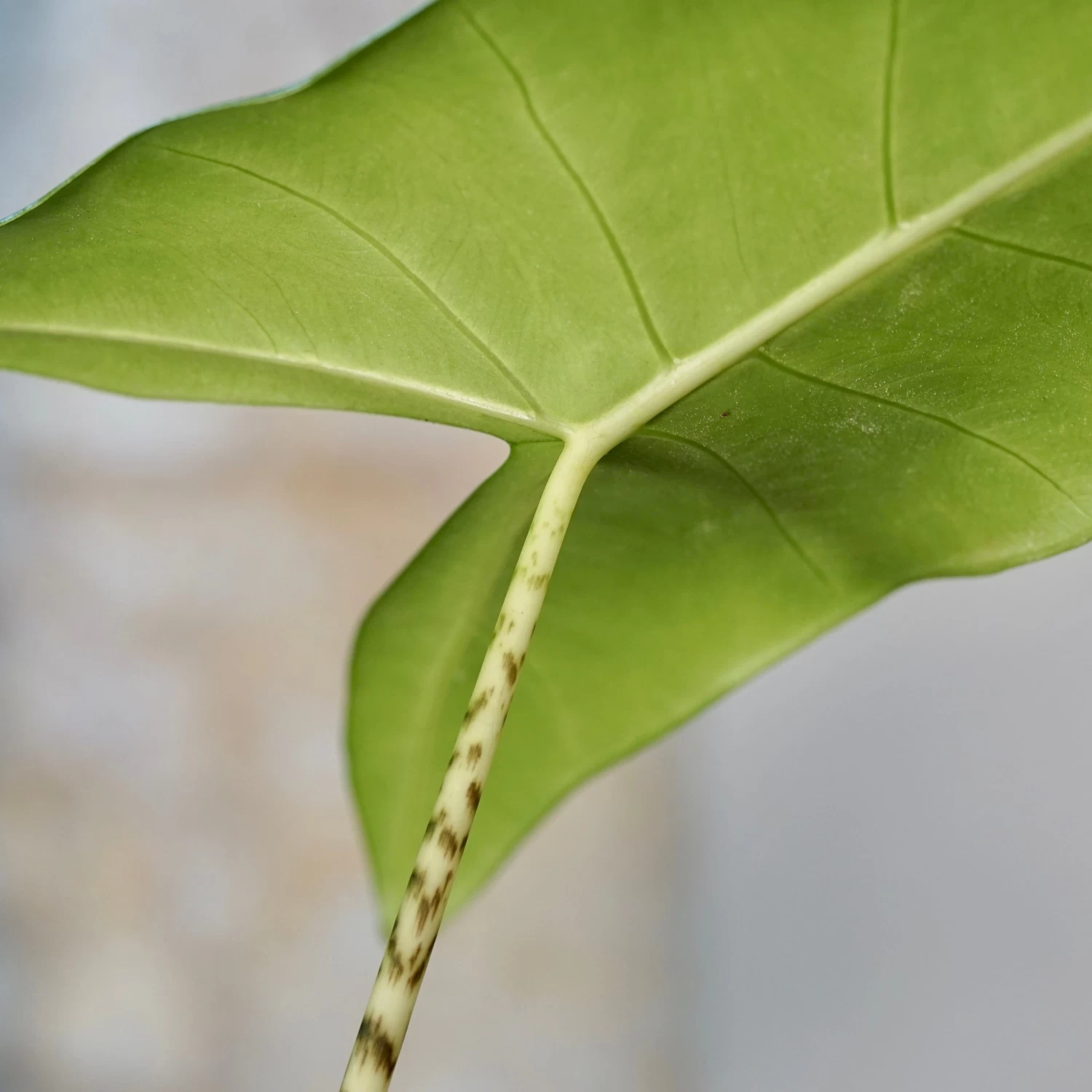
Leaves: The leaves of Alocasia zebrina are arrow-shaped, resembling the ears of an elephant, hence the common name “Elephant Ear.” They have a distinct green color with prominent white veins, giving the appearance of a zebra pattern.
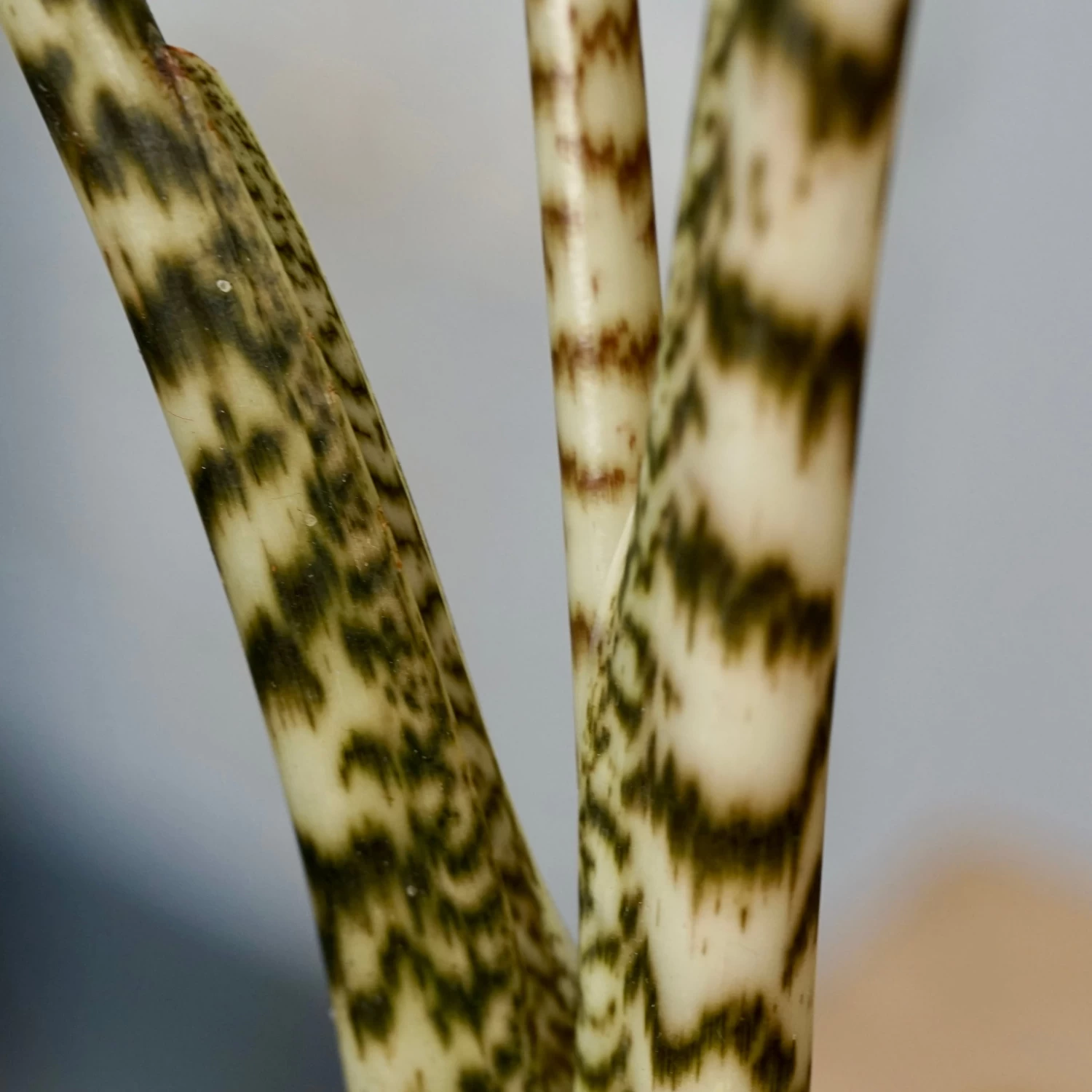
Stems: The stems are long and slender, resembling bamboo canes, often with a characteristic zebra-striped pattern in shades of dark green and silver or white.
Simple Care Instructions:
Light:
Alocasia zebrina prefers bright, indirect light. It can tolerate some direct morning or evening sunlight but should be protected from harsh, intense midday sun, which can scorch the leaves.
If natural light is limited, you can also grow it under artificial grow lights, providing ample brightness for at least 10-12 hours per day.
Watering:
Keep the soil consistently moist, but not waterlogged. Water when the top 1-2 inches of soil are dry to the touch.
Ensure proper drainage to prevent water accumulation at the bottom of the pot, which can lead to root rot.
Humidity:
Alocasia zebrina prefers high humidity. You can increase humidity by placing a humidifier nearby or placing the pot on a tray filled with water and pebbles.
Regular misting of the leaves can also help maintain adequate humidity levels.
Temperature:
Maintain a warm and humid environment. Alocasia zebrina thrives in temperatures ranging from 65-80°F (18-27°C).
Avoid exposing the plant to sudden temperature drops or cold drafts.
Soil:
Use a well-draining potting mix that retains some moisture, such as a mix of regular potting soil, perlite, and orchid bark or sand.
Fertilizing:
During the growing season (spring and summer), fertilize the plant with a balanced liquid fertilizer every 2-4 weeks.
Reduce or eliminate fertilization during the fall and winter when the plant’s growth slows down.
Pruning and Grooming:
Trim any yellow or damaged leaves to maintain the plant’s overall health and appearance.
Regularly clean and wipe the leaves to remove dust and enhance the plant’s ability to absorb light.
Potting and Repotting:
Repot the Alocasia zebrina when it outgrows its current container or when the soil becomes compacted. Repot in the spring into a slightly larger pot, ensuring good drainage.
| Pot Size (Diameter) | 3.5 Inch, 6 Inch |
|---|
Be the first to review “Alocasia Zebrina”
Related products
Plants

Plants
Classic House Plants

Plants


Classic House Plants
Classic House Plants
Classic House Plants
Classic House Plants
Reviews
There are no reviews yet.